Who we are
Precise weather forecasts and personal consultation for safe decisions at sea and ashore.
Built on 27 years of experience.

Expert reports & event analysis
We reconstruct weather events from our own archive – court-proof, independent and traceably documented. For insurers, shipping companies, businesses and private clients.
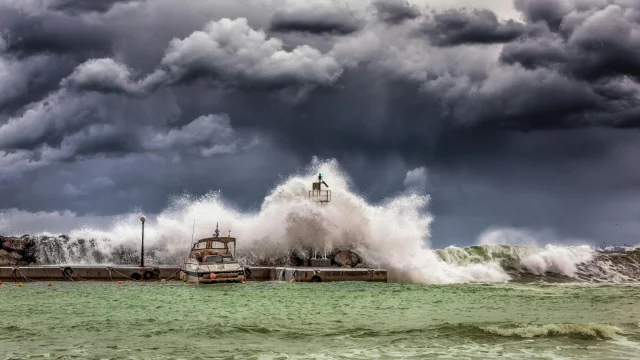
A low-pressure system moves through the Bay of Biscay, and the next morning a shipping company reports container loss and on-deck damage. A hailstorm hits an industrial hall. A yacht drifts into harbour with rig damage. The insurer asks back: was the weather really as the loss report claims? When exactly did what happen, at what intensity, and where?
These are questions that no glance at the next forecast can answer. They demand a clean reconstruction of the event – with measurement data, model fields, radar and satellite images, framed by a meteorologist who knows how to read them.
That’s exactly what we do. Expert weather reports have been part of WetterWelt since the day we started – drawn from an in-house data archive that goes deeper than most weather services keep on file.

A written report in which every statement rests on a data source. Phrased so a court can work with it – and our experts will explain it in person if needed.

Whether the insurer hires us or the opposing side – the result comes out as the data dictates. No mandate changes our methodology.

In-house archive of measurement data, high-resolution model fields, radar and satellite data. Combined with the experienced eye of seasoned meteorologists – no black-box answers.
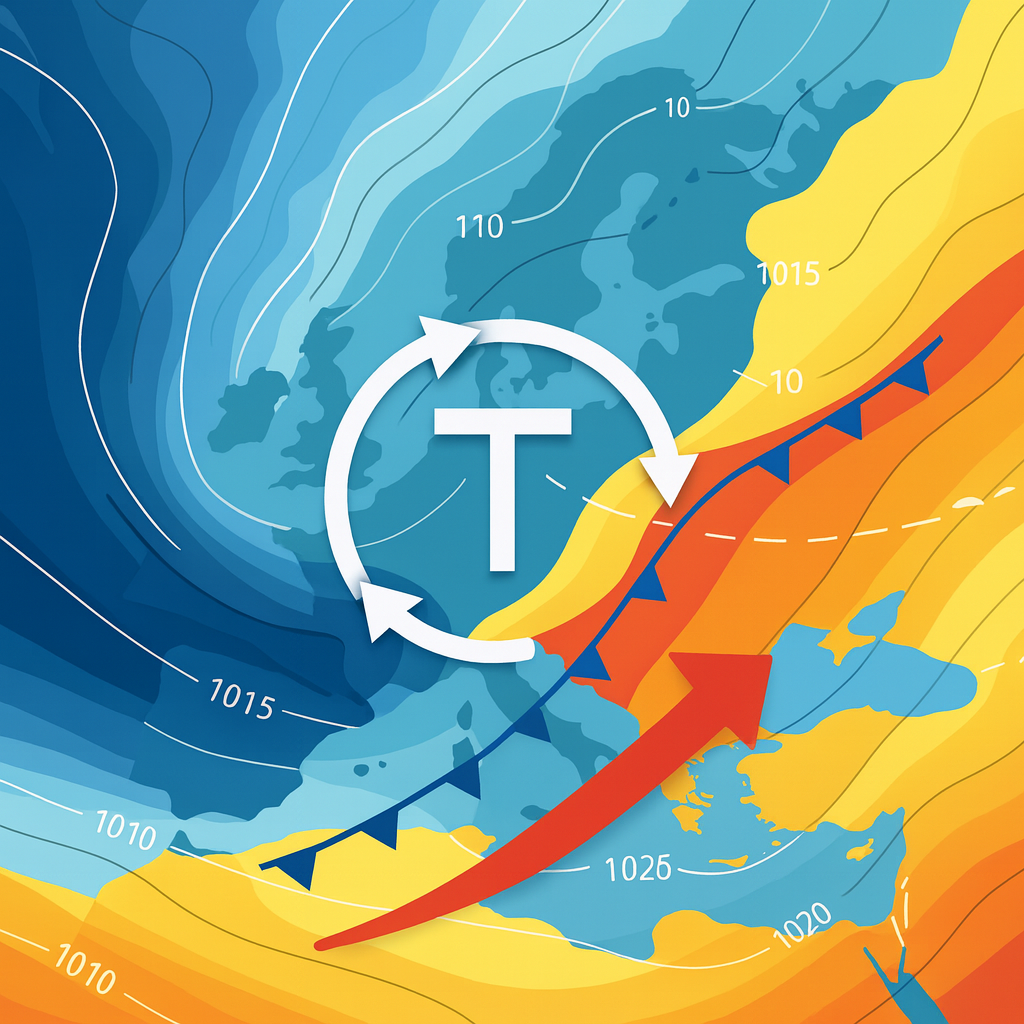
We set up the large-scale weather situation – pressure distribution, frontal system, flow – and use surface stations, model fields, radar and satellite images to reconstruct what passed locally over the loss site. Hour by hour, not day by day.
Wind, gusts, precipitation amount, hail, snow load, radiation, storm fields – whatever the loss question demands, we examine it in temporal and spatial resolution. Threshold values and return periods are part of it, as is the reliability of the underlying measurement data.
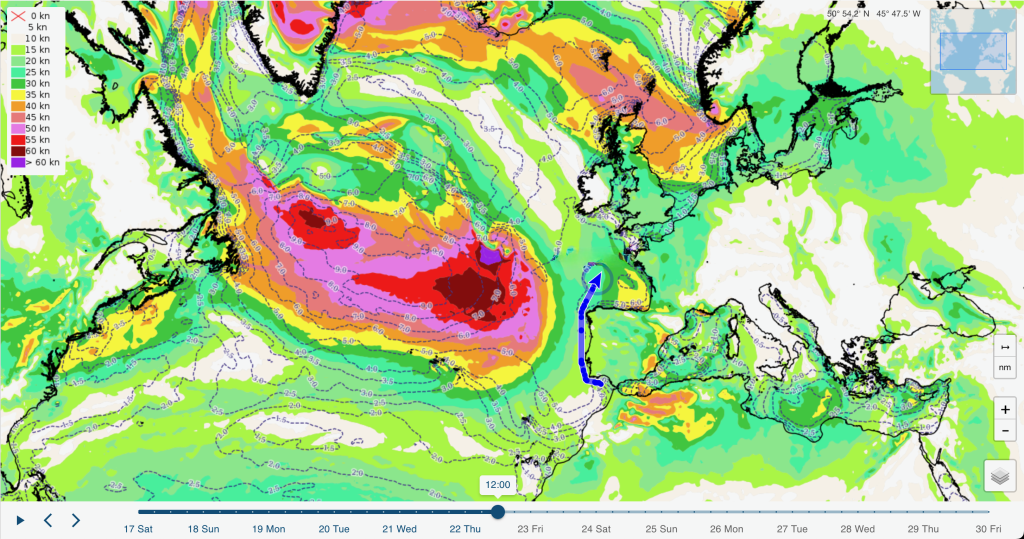
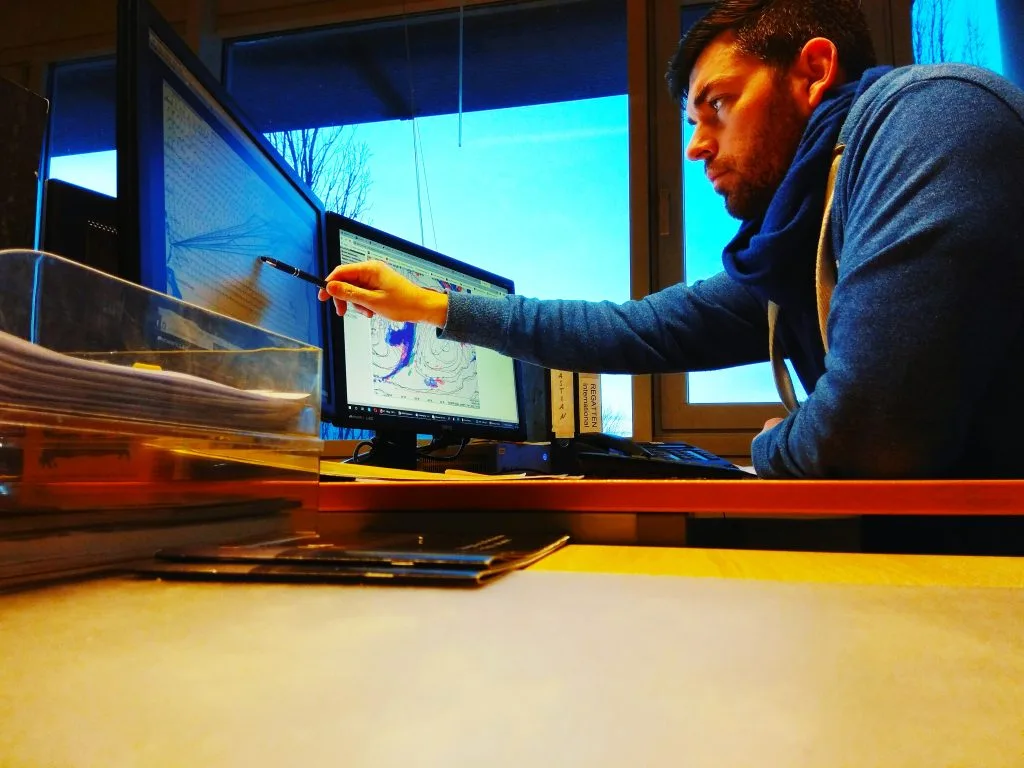
From the parameters tested we derive the defensible statement: was the event, in intensity and time window, plausibly compatible with the reported loss? Clear, neutral, scientifically founded – phrased to hold up in court.
Clear, differentiated description of the large-scale and local weather situation on the day of the event – charts, models and measurement data brought together.
Exact progression of the relevant parameters – wind, precipitation, gusts, temperature, radiation, storm fields – in the resolution the case allows.
Number series that make hour-by-hour what happened over the loss site traceable – documented down to the detail.
Sound meteorological framing of the result – objective, neutral, scientifically founded and documented in writing.
“This is what a storm looks like in our archive. Three hours earlier it was still out of range. Four hours later, an insurance case.”

Yacht and property insurers commission reports on losses, from a wave breach in the Atlantic to a coastal storm. Policyholders go the other way round when their insurer disputes the claim.
“Was the sea really as heavy as the logbook entry says?”
Shipping companies, charter disputes, marine claims services. We reconstruct wind and sea state at the moment of the incident – whether Atlantic, Caribbean, Mediterranean or off the West African coast.
“Does the crew’s storm-strength report match the model data?”
In disputes our experts appear as court-appointed witnesses. Industrial, construction and logistics clients get clear answers on losses, downtime questions and unusual weather sequences.
“Was the precipitation that night beyond the usual range?”
From a concrete loss case at home to unusual questions around weather and climate. One private client wanted to know, before buying a house, at which location they’d be least affected by climate change – those requests reach us too.
“How will the climate develop at my new location?”
Outline the event and the loss in a few lines. We’ll tell you whether an expert report would bring clarity – and what it would cost.
Prefer the phone? Speak to a meteorologist directly